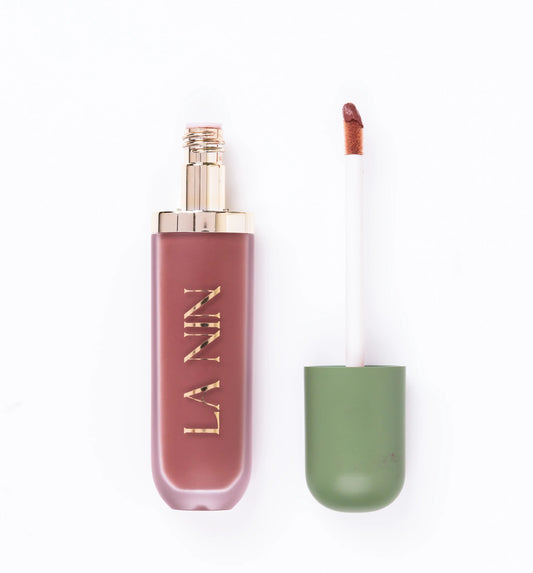
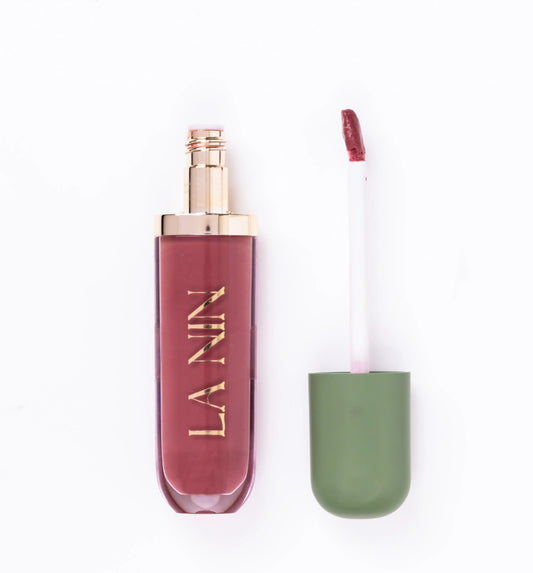
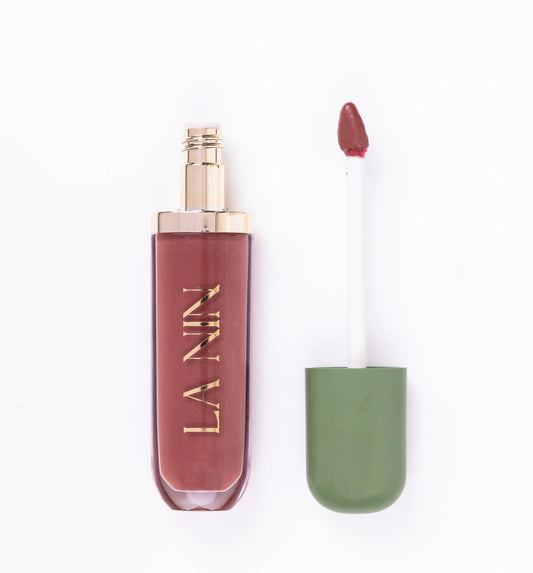
A woman once told me my lip oil was too expensive for an Indian brand, then showed me the imported one she’d bought instead.
It cost more. Considerably more.
She wasn’t objecting to the price.
She was objecting to the price coming from me.
I should say upfront that I have an obvious financial interest in you disagreeing with her. I run one of the brands that sentence is aimed at. Read accordingly.
The maths that keeps me up
She won’t spend ₹899 with me. She’ll spend ₹2,400 on the imported one without blinking.
That is not “a bit more.” That is nearly three times more.
₹899 isn’t expensive. It’s expensive for an Indian beauty brand. The same money becomes an investment when it crosses a border and an indulgence when it doesn’t.
The number isn’t the problem. The address is.
I have watched people do this maths out loud. In front of me. To my face.
“It’s nine hundred… so if I just add a little more, I could get—”
Yes. I know. I can hear you.
The annoying part is that she’s not wrong to be careful
For years, buying Indian did mean compromising. On texture. On pigment. On how something looked after four hours at a wedding in May.
Women learned to discount domestic brands because domestic brands kept earning it. That’s not snobbery. That’s pattern recognition, and it worked.
Habits built over twenty years don’t dissolve because one woman in Mumbai thinks her formula is good.
What that extra money actually buys
Not better ingredients. I talk about Palmitoyl Tripeptide-1 constantly — it’s the peptide in my lip oil, and yes, I bring it up at parties. It’s the same class of ingredient your face serum uses to keep skin looking smooth and firm. It comes from a handful of specialty suppliers who will sell to anyone able to pay for it. It does not work better because the box was printed abroad.
What the extra money buys is the feeling of not having to wonder whether you made a mistake.
That’s a real thing to want. I’d pay for it too.
It’s time to update the assumption
The caution made sense in 2005. It makes very little sense now.
There’s a generation of Indian brands formulating at a standard that matches the imported ones and, in plenty of cases, beats them. Same specialty ingredient houses. Same actives.
I’m not asking for patriotism. Patriotism is a terrible reason to buy a lipstick.
I’m asking you to update a twenty-year-old assumption with current information. Read the ingredient list. Put it next to the imported one. If theirs is better, buy theirs — sincerely, go ahead. But check, instead of assuming.

Here’s where founders usually ask you to buy Indian because it’s Indian
I’m not going to do that.
“Support local” is not a product feature. It’s a guilt trip with a hashtag.
If I want that sentence to stop being automatic, complaining about it is useless. The burden is mine. So — three things I’ll actually commit to.

- Publish the whole ingredient list. Not “infused with natural actives,” which means nothing, and everyone involved knows it means nothing. The full INCI — the actual ingredient list, in the order the law requires — on the website page, where you can check whether the peptide I keep going on about is genuinely in there or just in the marketing.
- Be specific about what our products do, and honest about what they don’t. Makeup is not medicine. It doesn’t rebuild anything. It hydrates, it protects, it makes you look the way you want to look — and when we use an active, it’s the same active your skincare uses. That’s enough. Nothing needs to cure anything to be worth paying for.
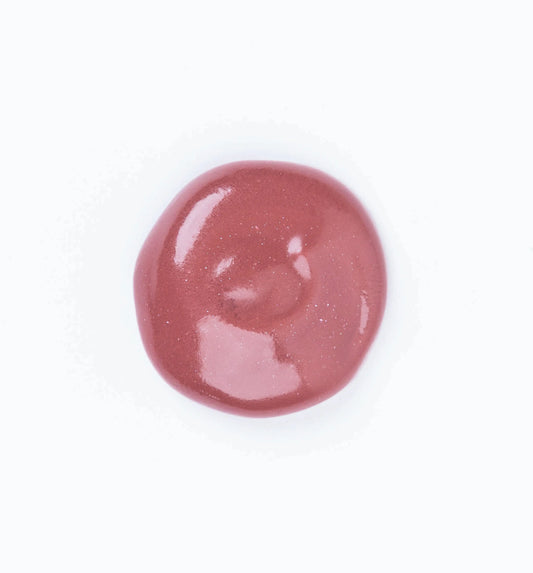
- Show it on real faces. Not retouched into a skin tone none of us have. I’ve been looking at Indian undertones in daylight since 2008. The least I can do is show you what the product actually looks like on them.


The part I can’t do
I can’t shortcut trust. There’s no paragraph persuasive enough to undo twenty years of habit, and I’ve now written several trying.
What I can do is make it checkable. Formula in the open, claims in plain language, product shown as it actually looks.

If you read the ingredients and decide mine isn’t good enough — fair. That’s a real reason.
If you skip it because of where it’s made, that isn’t a reason. That’s a habit.
Though ideally you’d do neither, if that’s still on the table.
Pooja Chen - Founder La Nin