You've seen peptides in your serums. Your moisturizer. That eye cream your dermatologist recommended. They've been the darling of skincare for years.
But here's the question nobody's asking: if peptides are so good for your face, why aren't they in your lip products?
Your lips are some of the thinnest skin on your body — just 3 to 5 layers, compared to 16 on the rest of your face. They don't produce oil. They don't have sweat glands. They lose moisture faster than anything else. And yet, most of us are slapping on formulas that are basically just pigment in wax — and wondering why our lips feel like sandpaper by 3 PM.
What Are Peptides, Simply Put?
Peptides are tiny chains of amino acids — the building blocks of collagen. Collagen is what keeps skin plump, smooth, and bouncy. As it breaks down (thanks, sun, pollution, and time), peptides act as little messengers telling your skin: "Repair yourself. Make more collagen. Get it together."
They're not a trend. They're one of the most well-researched ingredients in skincare. Which is exactly why they belong on your lips too.

Why Your Lips Need Them More Than Your Face
Most lip products create a temporary barrier that sits on top. The second you wipe it off — back to square one. Some lip formulas actually pull moisture OUT of your lips to set the colour.
Peptides work differently. They get absorbed and signal your lip skin to repair and hold onto moisture from within. The difference? Instead of masking dryness, you're actually fixing it.
What that means in real life: lips stay softer even after the product wears off, fine lines around the lips smooth out over time, less flaking and peeling, and no more colour clinging to dry patches.

The World Caught On. India's Catching Up — But Only Halfway.
Globally, peptide lip care has exploded. International brands have launched peptide lip treatments priced at ₹1,500 to ₹2,500 — and they've become bestsellers. One viral launch single-handedly made "peptide lip treatment" the most searched lip product term of 2023.
In India, brands are starting to catch up — you'll now find peptide lip balms from several names. But here's the thing: most of them are treatments. Balms you put on at bedtime or layer under your lipstick. The peptides do their job, but you're still reaching for a separate product when you want colour.
The question nobody asked was: why stop at skincare? Why not put peptides in a lip product you'd actually want to wear — one that gives you colour, shine, and treatment in the same swipe? A formula where peptides work alongside nourishing oils that deliver them deep into the lip skin, butters that lock in the hydration, and antioxidants that protect the repair work. Not peptides thrown into a basic base — but a complete formula built around them.

What to Look For
Check the ingredients list — and know what you're reading. Peptides are potent at very low concentrations, so don't panic if they're not at the top. What matters more is which peptide is used (look for proven ones like Palmitoyl Tripeptide-1) and what it's paired with. The best formulas surround peptides with nourishing ingredients like jojoba oil, rosehip oil, squalane, kokum butter, and vitamin E that help deliver and support what the peptide does. Skip anything with harsh alcohols or heavy synthetic fragrances — they undo the repair work.
Most importantly, pick a product you'll actually reach for daily. If it doubles as a tinted lip oil you'd wear anyway, even better — you get colour and treatment without adding a step.
The Bottom Line
Peptides in skincare? Mainstream. Peptides in lip care? Still almost unheard of in India — even though your lips need them more than your face does. The global beauty industry figured this out. It's time we caught up.
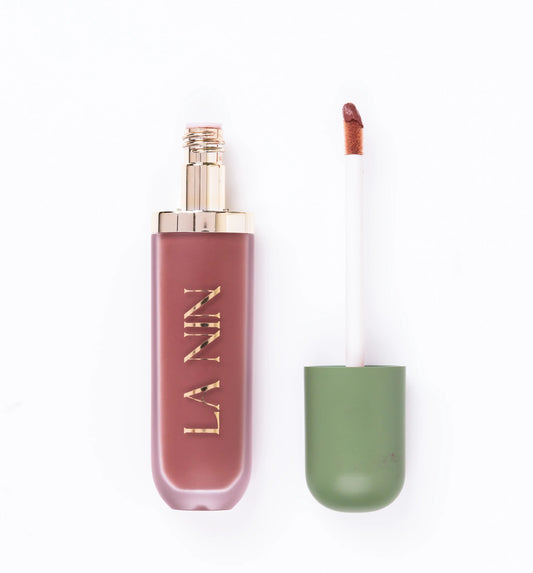
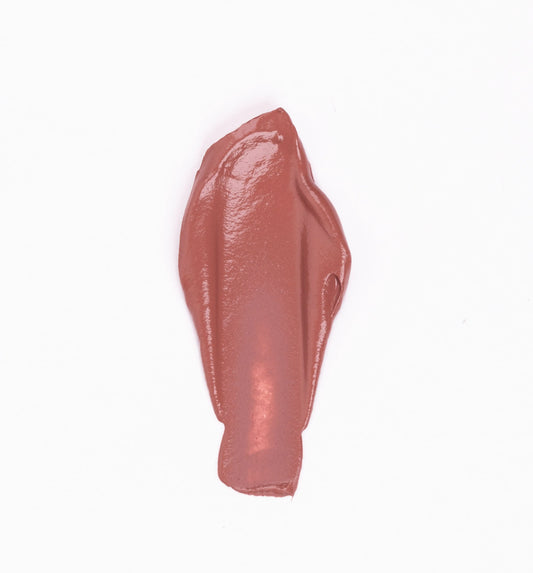
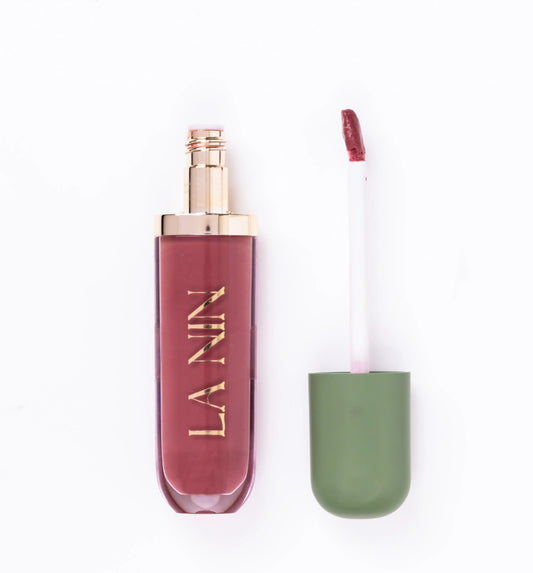
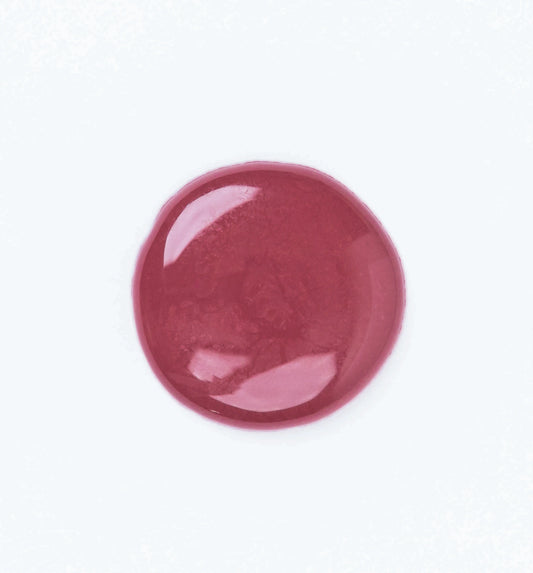
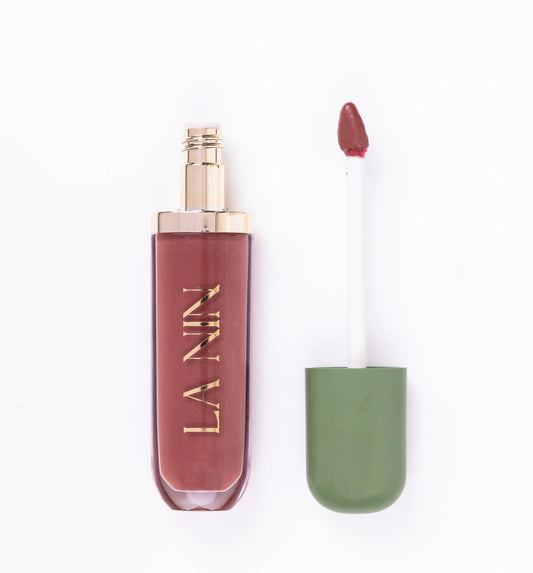
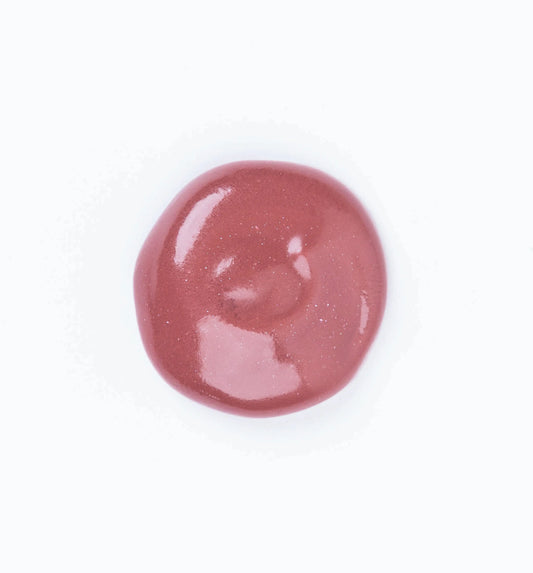
That's exactly why we infused our Skinny Dip lip oils with Palmitoyl Tripeptide-1 — a peptide proven to stimulate collagen production and repair skin — alongside walnut oil, kokum butter, rosehip oil, squalane, and saffron extract. Every swipe gives you colour, shine, and actual lip care in one. No extra steps. No compromises. And at a price that doesn't ask you to spend ₹2,000 on a lip product.
Because your lips work hard. Your lip product should too.